
Every wedding day has pieces that are meant to last. Not in the obvious way, not in the formality of preservation, but in the way certain things are kept, worn again, or folded into daily life without much thought.
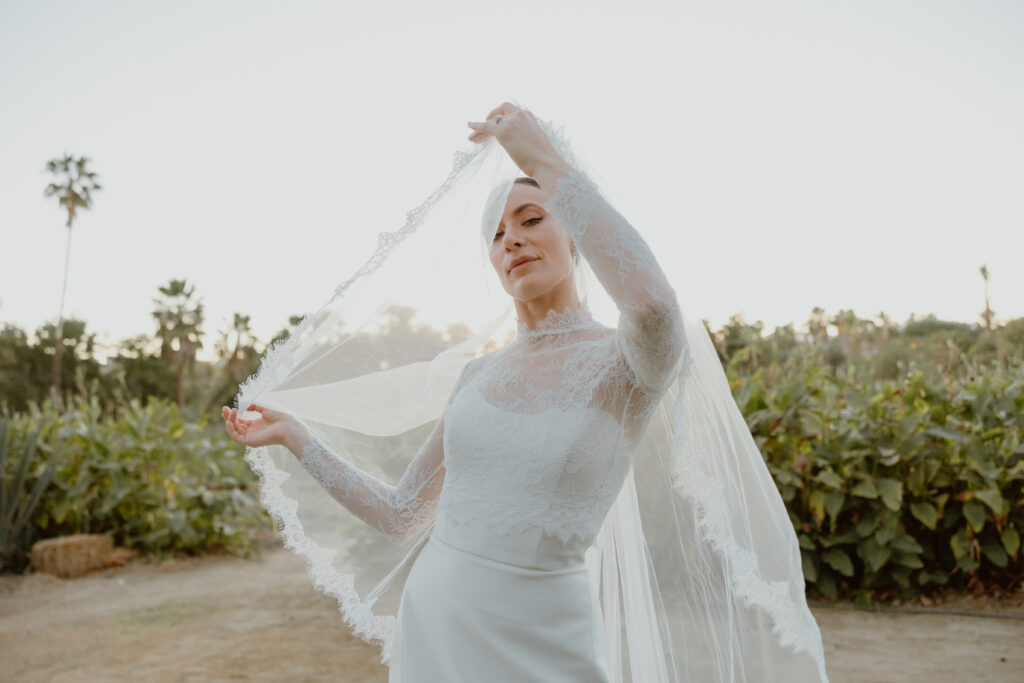
The dress holds the moment.
But heirlooms are usually something else entirely.
They are the pieces that never felt temporary to begin with. The ones that carried meaning before the wedding or took on meaning while it was unfolding. The details that stayed close, then stayed with you.
Jewelry That Didn’t Start as the Plan
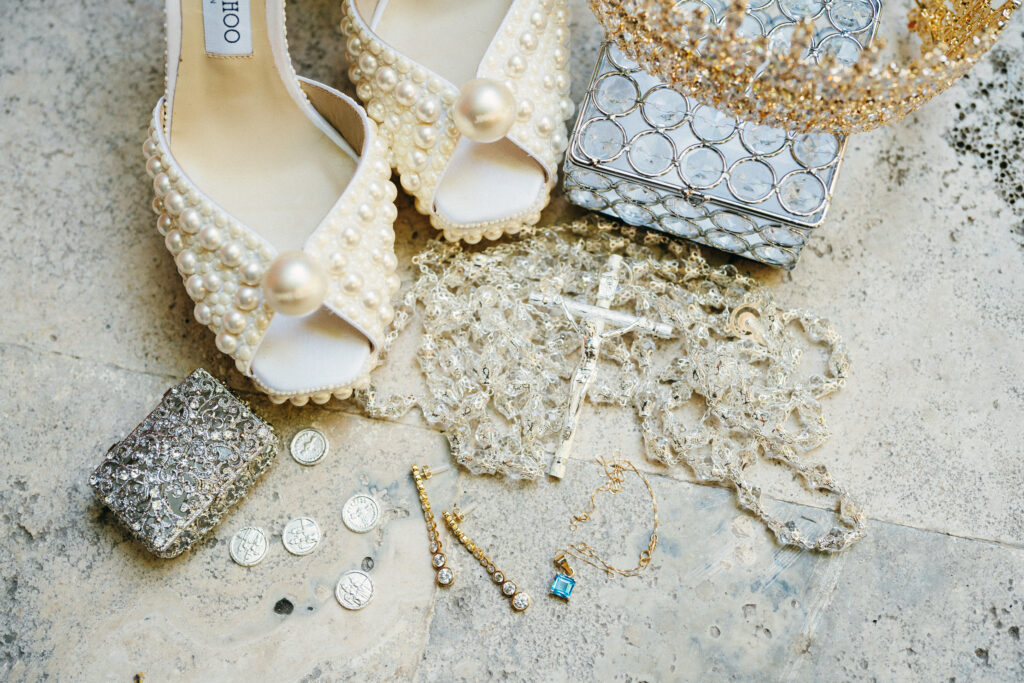
Not every part of a wedding day look is decided ahead of time. The most defining pieces often come in at the last minute. A necklace added while getting ready. Something borrowed that shifts into something permanent. A gift that subtly changes the direction of the look without disrupting it.
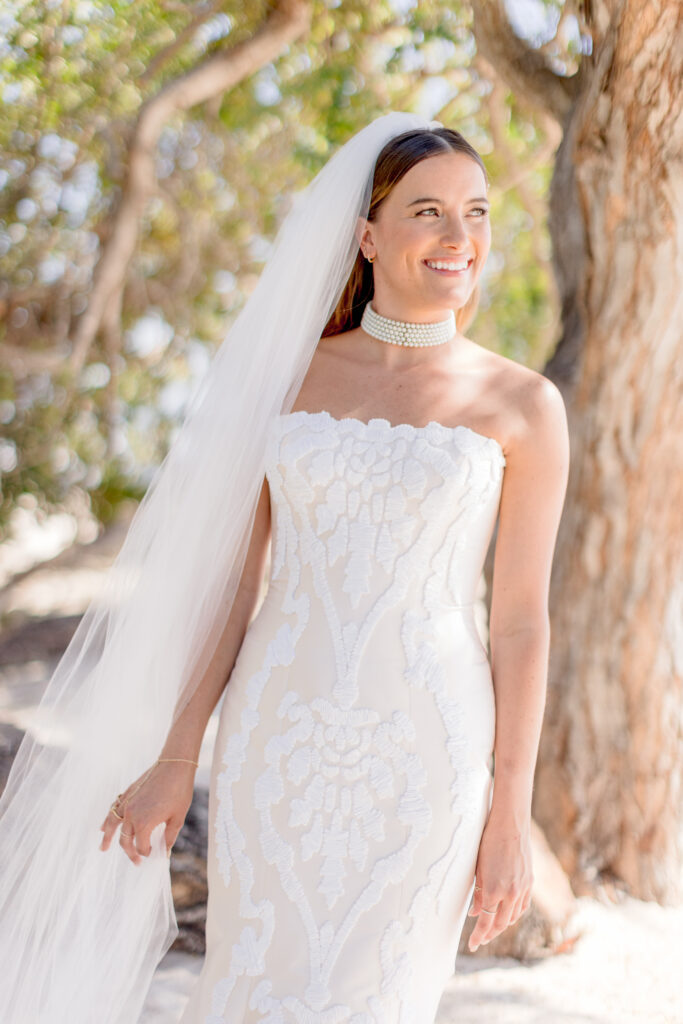
We have seen brides wear pearls passed down through their partner’s family, given on the morning of the wedding, already layered with history. Others have opened a box mid–getting ready to find a blue stone necklace they hadn’t planned for and wore it without hesitation.
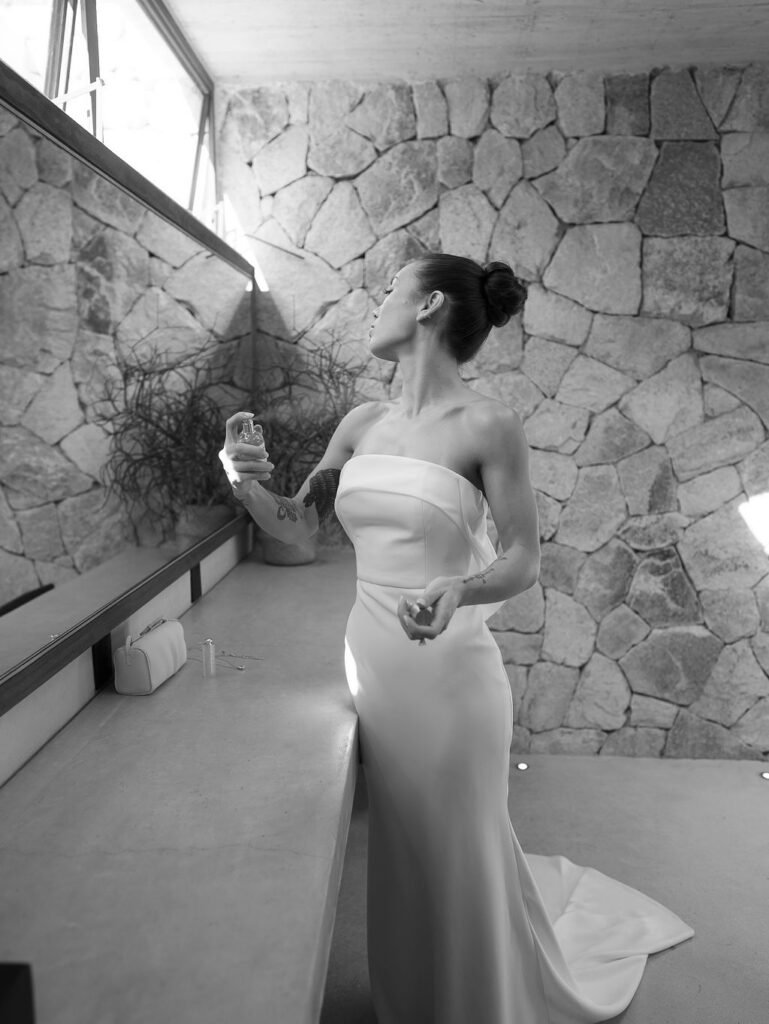
In both cases, the piece was never about completing the outfit. It became part of the day because it felt right in the moment.

Precious Ceremonial Elements
Pieces often arrive with their own history already attached. An embroidered handkerchief. Arras exchanged during the ceremony. A Kiddush cup. A chuppah canopy held overhead. A maang tikka, a Polki or heirloom diamond necklace, ceremonial garlands, family jewelry layered in with intention.
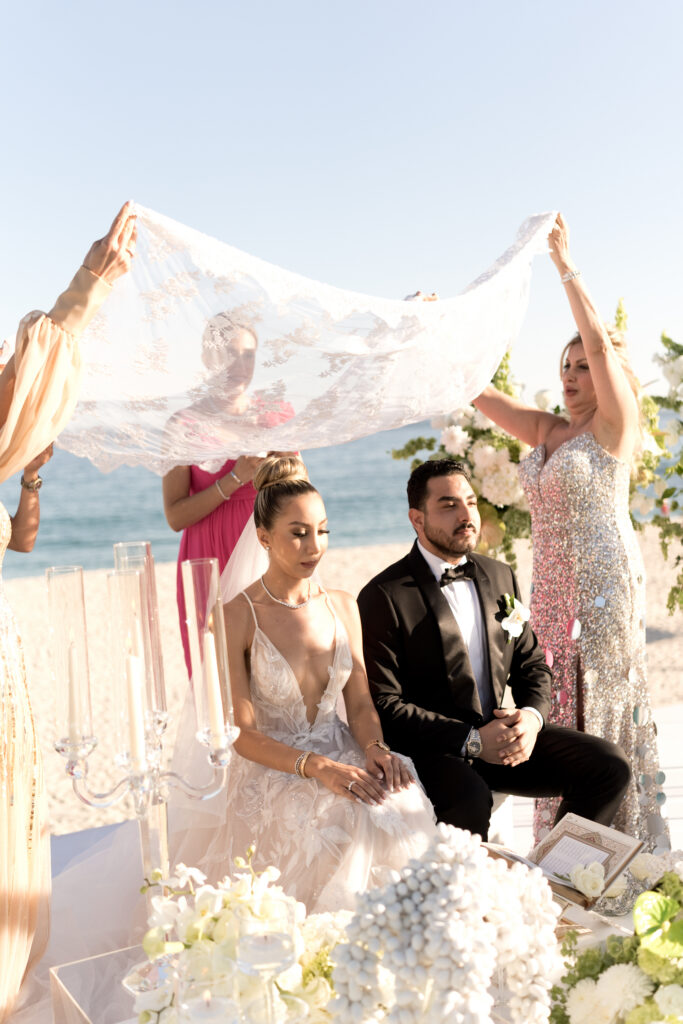
These are not details added to complete a look. They are brought in because they already mean something.
They may be held during the ceremony, placed in the home afterward, or passed forward over time. Their significance does not begin with the wedding. The wedding simply becomes part of it.

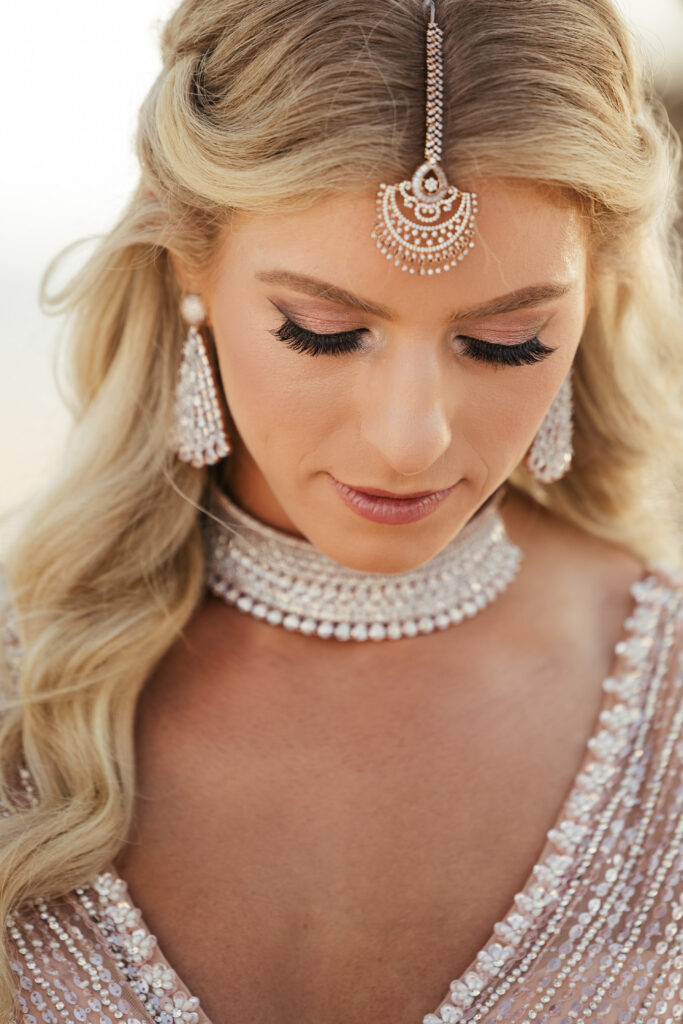
Wedding Day Details That Were Never Meant to Be Temporary
Many of the most lasting pieces begin as part of the setting. Monogrammed linens woven into the table design that find their way into drawers and keepsake boxes afterward.

Paper goods that carry color, typography, and tone in a way that feels more like design than something disposable. A painting brought into the celebration, later hung in the home. Something chosen for that moment that becomes part of your everyday surroundings without losing its meaning.
They start as details and quietly become something else.

Worn Again, Kept Close
There are pieces that continue almost immediately.
Shoes worn into the reception and then again months later. Heels that make just as much sense after the wedding as they did on the day. A pair of gloves, slipped on for the ceremony, then styled differently long after. They are not preserved. They are used.
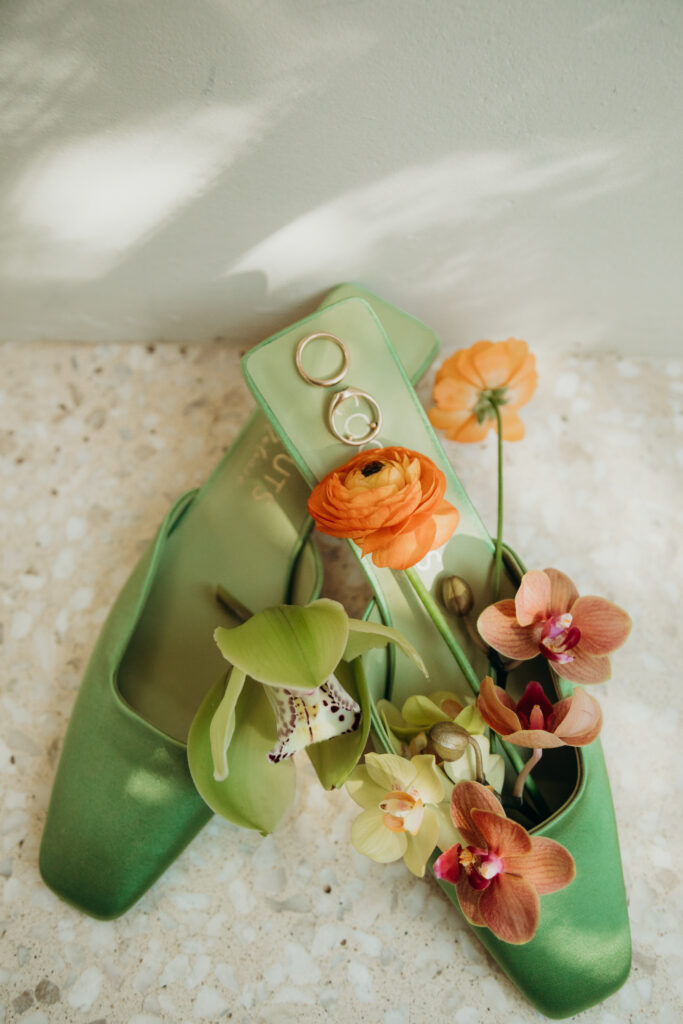
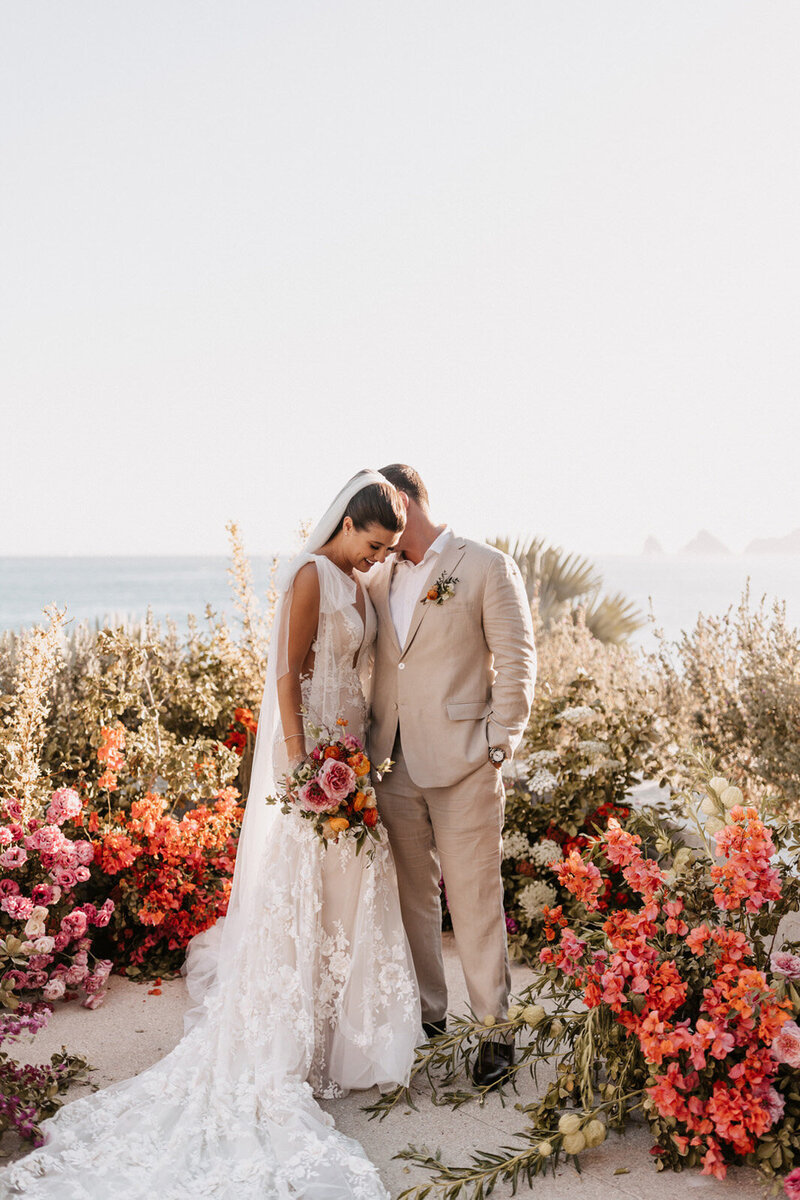
And then there are the pieces that are kept differently. A veil, worn once, but not something easily let go of. It holds its place without needing to be revisited often.
Worn again or simply kept, each finds its way into what stays.
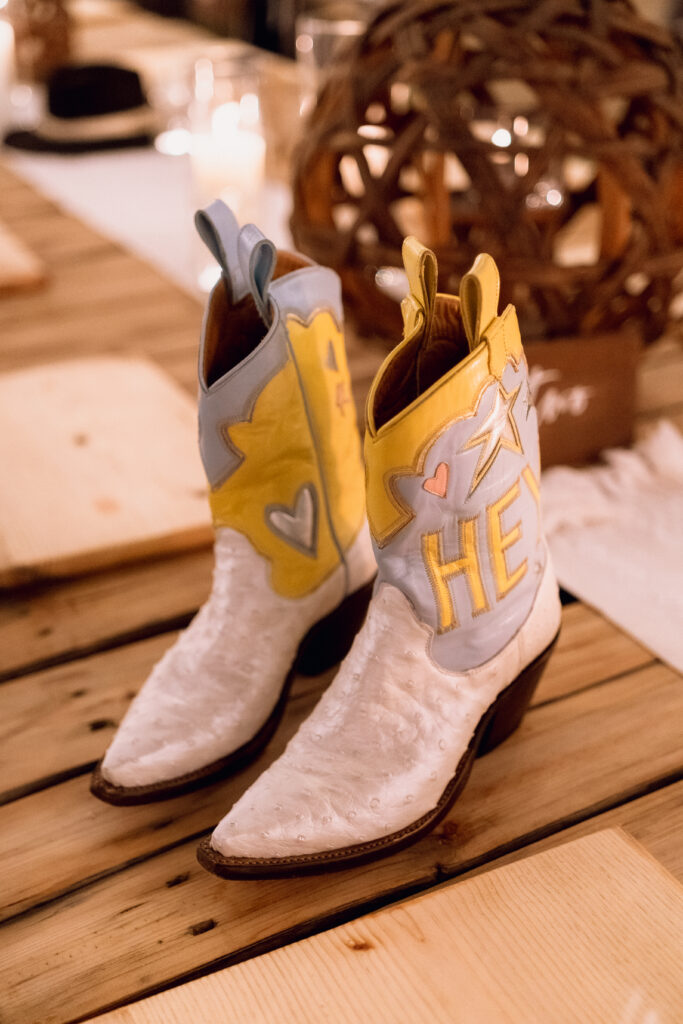
What Becomes an Heirloom
The wedding-day pieces that become heirlooms are rarely the ones most discussed. They are the ones chosen without overthinking. The ones that felt instinctive from the start. The ones that did not need to be explained to anyone else to make sense.
They stay in your life because they always belonged there. And over time, they hold meaning in ways that go beyond the day itself.
May your wedding-day memories (and heirlooms!) last a lifetime.




Pinterest
/
Share on
facebook