
How to allocate your wedding budget based on what matters to you while planning for the costs that are easy to miss.
There isn’t really a rule for how a wedding budget should be divided. Some couples want flowers everywhere, while others would rather put that money toward an incredible band. Someone may have picked out their photographer before they had a venue. Everyone comes into planning caring about something different.

Whatever those priorities are, you need an honest idea of what they’ll cost. That is where transparency from the beginning matters. Sometimes a planner who accounts for things like vendor fees, delivery, labor, and other expenses will show you a higher number upfront. That can mean losing the business to a lower estimate, even if those same costs are eventually added there too.
The goal isn’t to give you the lowest number at the beginning. It’s to give you a clear sense of what the wedding you’re planning is likely to cost, so there aren’t major surprises halfway through.
That is usually the harder part: knowing which decisions ripple through the rest of the budget and where you have room to adjust. Some of the biggest shifts come from things you may not be thinking about yet. Knowing where they tend to happen can change the way you approach the budget from the start.

Start With What Actually Moves the Wedding Budget
Guest count and venue decisions have a way of showing up across the entire budget.
A wedding for 150 isn’t a wedding for 100 with 50 more dinners added to the bill. More guests can mean more tables, more catering and bar staff, additional transportation, and sometimes even changes to the space itself. That’s why having a solid number to plan around is so helpful.
That doesn’t mean you should cut the guest list. Start with the number you’re actually planning to invite, knowing the final count will change once RSVPs come in. And if you’re deciding between a larger or smaller guest list, seeing what that difference could mean for the budget can make those conversations a lot easier.

The venue plays into this too. If it has beautiful chairs, great. There may be no reason to bring in new ones. If you don’t love them, you’re adding a rental, plus delivery, setup, and tax. What seems like a fairly small decision can become a big number once you multiply it by your guest count.
None of this is about talking you out of what you want. Quite the opposite. Knowing what you’re working with gives you more room to figure out how to make it work. Plans will change along the way, and a good planner should be able to adjust.

Spend Where You’ll Feel It
Not every dollar has the same effect on the wedding.
Once the bigger numbers are in place, you can start deciding where you want to do more. You can spend a lot on something without it changing much, while another expense you weren’t particularly excited about can end up doing the heavy lifting.
Lighting is a perfect example. It’s probably not the first thing you’ve saved to your wedding folder, but for an outdoor dinner, it matters. Once the sun goes down, good lighting changes how the flowers, tables, and venue look. What works during dinner may also need to change once everyone moves to the dance floor. It’s much easier to think about that while everything else is being planned than to try to fix it later.
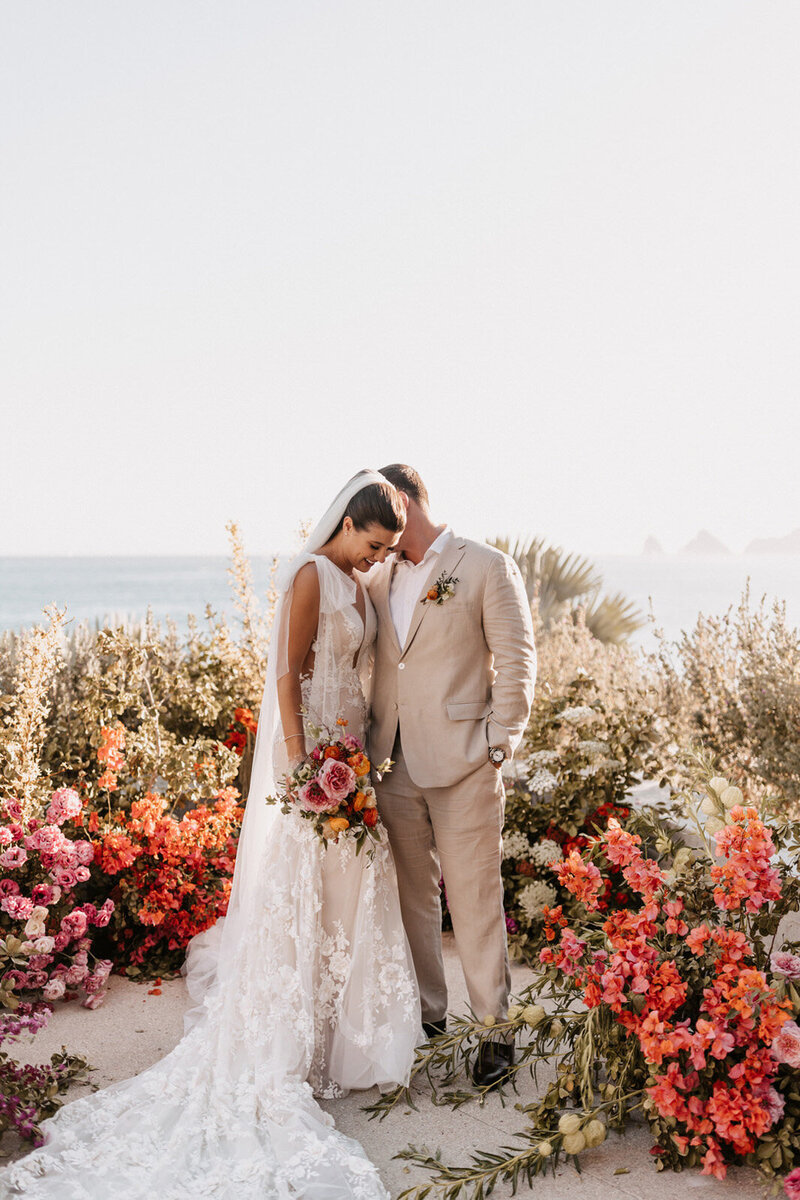
Then there are the things you were excited about from the beginning. If you love food, there are so many ways to have fun with it at a destination wedding without just making the menu longer. If you’ve always wanted incredible flowers, go for it, but that doesn’t mean flowers need to cover every table and every corner. Maybe you go big at the ceremony, over the dinner tables or at the bar and spend less elsewhere.
A wedding doesn’t need everything turned all the way up. Pick the places you care about most, and let the budget follow.

Budget for the Whole Weekend
The wedding may be on Saturday, but the budget usually starts before then.
Whether you’re planning a destination wedding or welcoming guests from out of town, the welcome party is an event in its own right, and we fully embrace it. This is the first night you actually have everyone together.
We love giving the welcome party its own look rather than treating it as a preview of the wedding. It can be more relaxed, more colorful, in a completely different setting, or built around food and music that set it apart from the wedding day. There is no reason for the first night to look like a smaller version of the wedding.
But it should have its own place in the budget from the beginning. The same goes for any other events you’re hosting throughout the weekend. Deciding early what you want to host and how much you want to do at each gives you a much better sense of what is available for the wedding day itself.

The Number on the Quote Isn’t Always the Final Number
Delivery, labor, service, and logistics can change the number more than you think.
One of the easiest things to overlook is the difference between the price of something and what it actually costs to get it to the wedding.
A rental order, for example, may look perfectly reasonable until delivery, setup and tax are added. Florals can come with labor and installation. Even paper goods can grow quickly once you account for menus, place cards, table numbers and signage. Those additions can change a category considerably from the number you first had in mind.
There are also costs that may not sit neatly inside the prettier parts of the budget. Guests need a way to get to the venue and back to the hotel. Everyone needs to be able to hear the ceremony. A band may need sound, power, staging and lighting. There need to be enough people behind the scenes to keep everything moving.
None of those will be your favorite line items, but you will notice if they’re missing.

Leave Room for It to Change
A wedding budget will change as planning goes on. That’s normal. You may spend more than expected in one place, less in another, or decide halfway through that something you thought you needed isn’t that important anymore.
There is almost always somewhere to adjust or rethink. And if something really matters to you and the budget allows for it, enjoy it. The budget is there to help you make decisions, not take all the fun out of making them.
Happy planning!



Pinterest
/
Share on
facebook