‘If our wedding destination provides a venue coordinator, do we still need a wedding planner?’
This is one of the first questions couples ask when they begin planning, and it is simple and completely valid. It’s an easy assumption to make. The roles can sound similar at first, but they serve very different purposes, and understanding that early changes how everything comes together.
Understanding the Venue Coordinator Role
A venue coordinator represents the venue first. Their responsibility is to ensure the property runs exactly as it should, from how the space is accessed to how service is carried out throughout the event. They oversee the in-house team, manage the event schedule, and coordinate food and beverage when it is provided internally.
They are also the point of contact for anything directly related to the venue, including timing for setup and breakdown, floor plan parameters, and how the space is used throughout the event.
A strong venue coordinator brings structure and consistency to the environment. They know the space intimately and ensure it performs as it was designed. Their role is precise, and intentionally so. It begins and ends with the venue.
Where a Wedding Planner Comes In
A wedding planner’s role is broader than that of a venue coordinator, and far more personalized. They are there to represent you, not just one location.
From the earliest conversations, your planner is getting to know how you live, what you’re drawn to, and how you want the weekend to feel. Not just how it should look, but how it should come across to you and your guests. They help you choose the right venue in the first place, build a budget that reflects real numbers, and assemble a vendor team that aligns with both your priorities and your aesthetic.
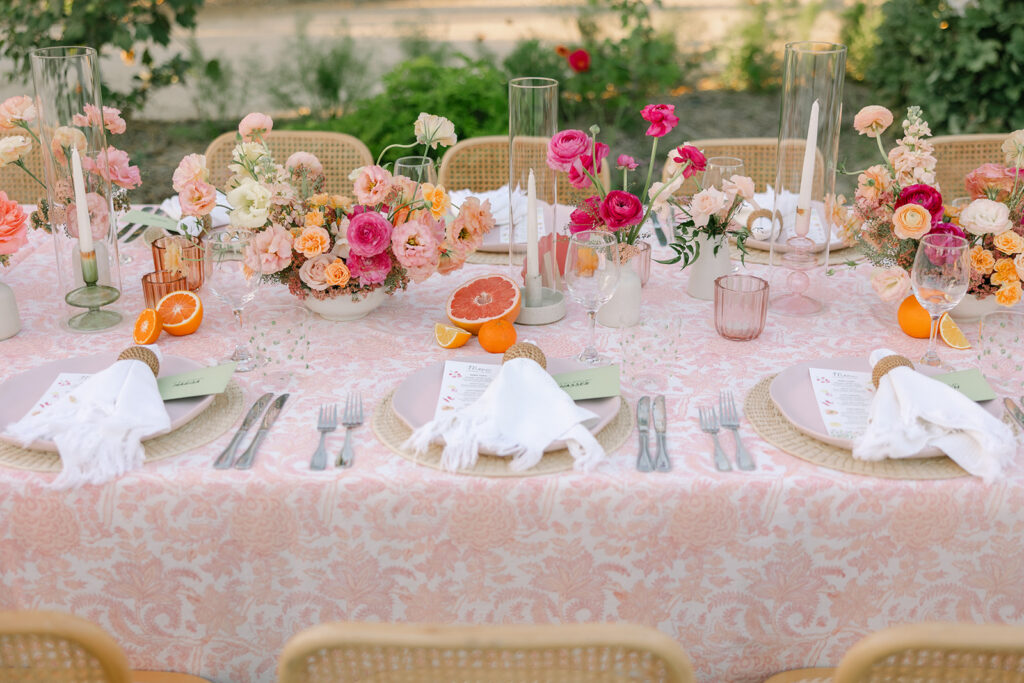
Your planner works closely with your florist, lighting team, rental partners, musicians, and the broader vendor team to shape a design that is not only visually compelling but thoughtfully executed within the space.
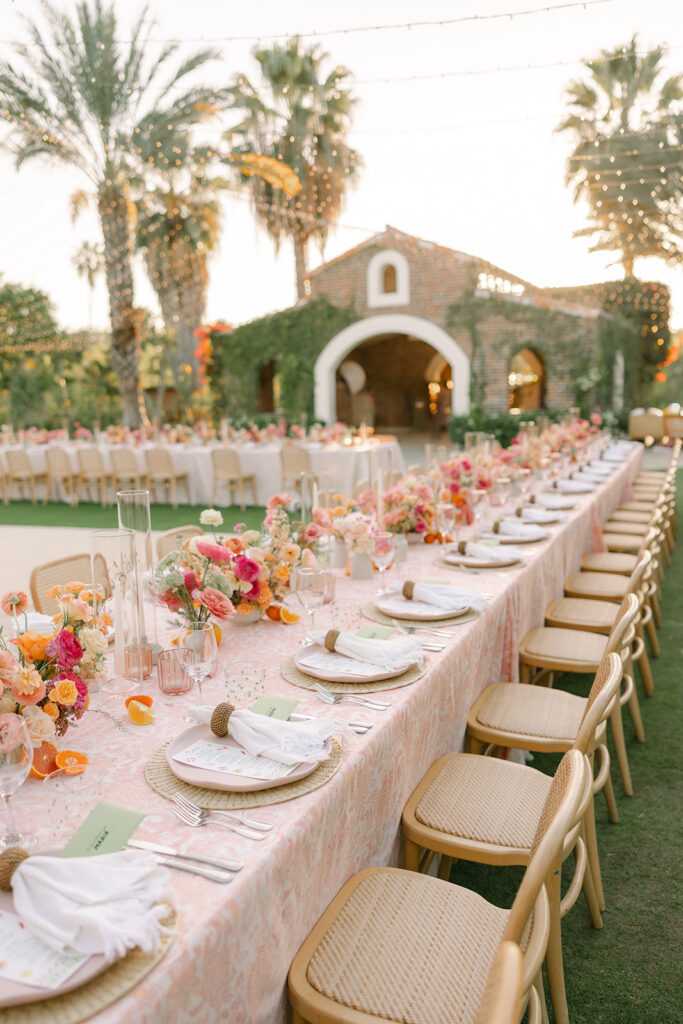
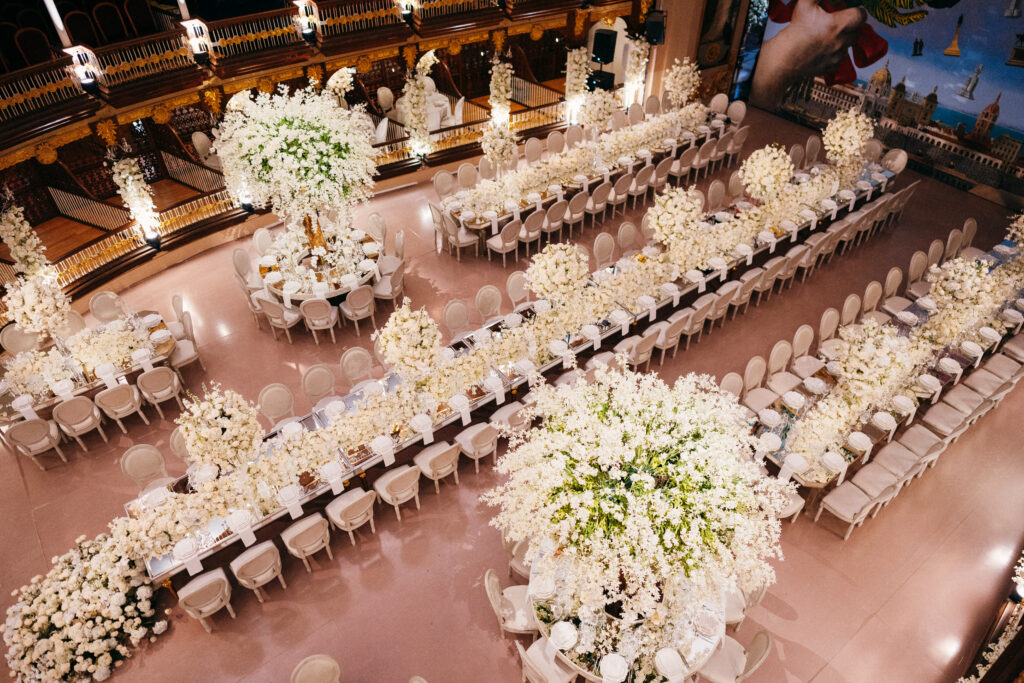
That process goes far beyond selecting pieces. It is about understanding how everything interacts, how lighting shifts the mood, how a table is set, how paper goods, linens, and small details like place settings and napkin folds contribute to the overall atmosphere.

The Transition From Plan To Perfection
It is also about knowing what will actually translate once everything is installed. Scale, layout, texture, color, and timing all play a role. What feels beautiful in a concept needs to feel just as strong in the space, at the right time of day, with the right flow of events around it.
Your planner is thinking through all of it. Not just how it looks, but how it comes to life, how it transitions from one moment to the next, and how each layer builds on the one before it.
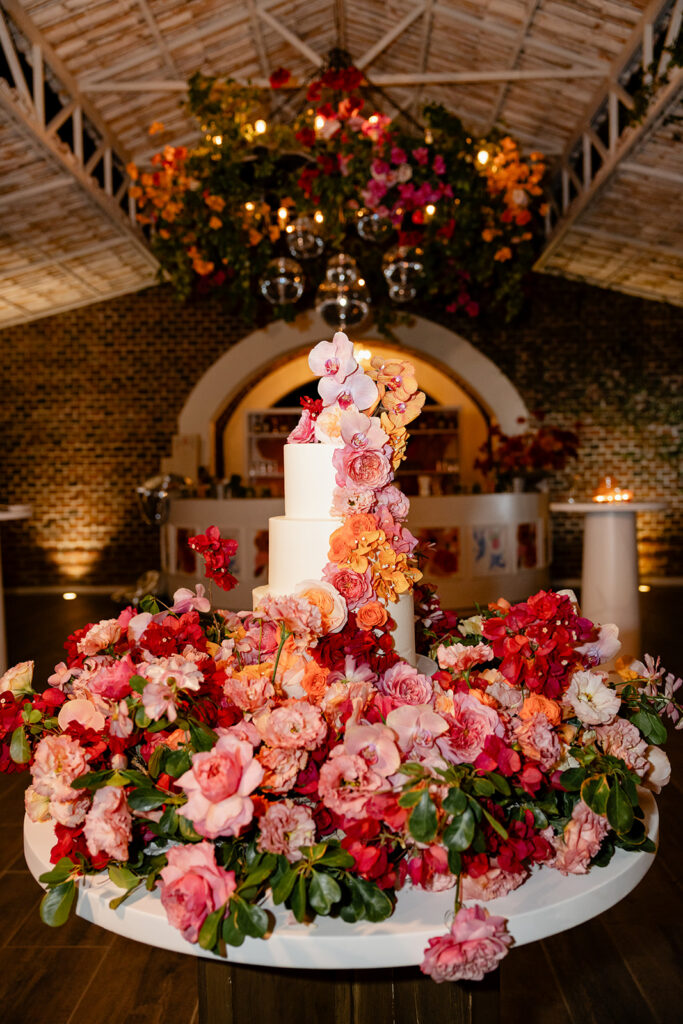
It is this level of attention that allows a wedding to feel complete, without anything feeling overdone. It is where design moves beyond decoration and becomes something guests can actually feel the moment they walk in.
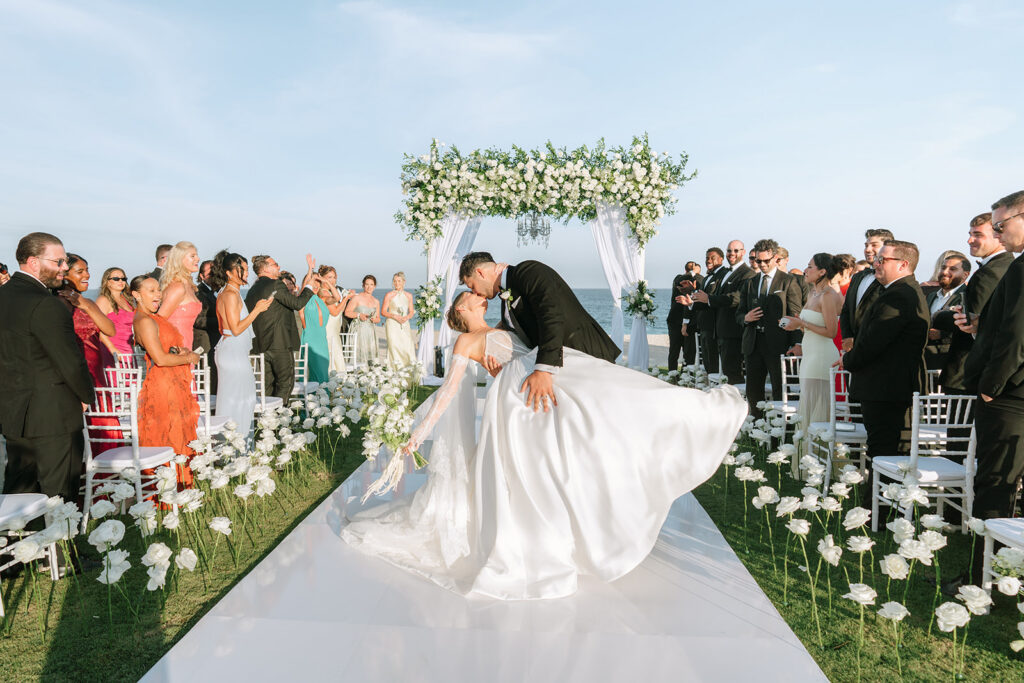
As the wedding approaches, your planner builds a timeline that extends well beyond the ceremony and reception. Guest arrivals, transportation flow, rehearsal structure, and transitions between events are all thoughtfully mapped out.
And on the wedding day, they are the constant. They cue the ceremony, adjust for timing shifts, coordinate vendors in real time, and quietly resolve issues before they ever reach you. The scale of a planner’s work extends far beyond that of a venue coordinator. And while a venue coordinator plays an exacting role on your wedding day, they cannot replicate the scale of work your planner does.
It is less about a checklist and more about perspective. They are looking at how everything works together, both visually and logistically, so the day feels natural from beginning to end.

How the Roles Differ in Practice
A venue coordinator is focused on making sure the space functions as it should.
A planner is looking at how the entire wedding flows and how it feels.
Not just what is happening inside the venue, but how every piece connects around it. Your vendors, your timing across multiple events, how guests move from one moment to the next, and how the overall energy builds throughout the weekend.
It is the difference between managing a location and shaping an experience. And it is often the in-between moments, the transitions, the pacing, the subtle adjustments, that leave the most lasting impression.
Why This Matters for Destination Weddings
For destination weddings, this becomes even more important.
Planning from a distance introduces layers that are not always obvious at the outset. Vendor reliability, transportation timing, local regulations, language, and the way things operate in real time all come into play.
A planner familiar with the destination brings clarity beyond mere recommendations. They understand how to structure a weekend across multiple locations, how long things actually take, and how to anticipate challenges before they arise.

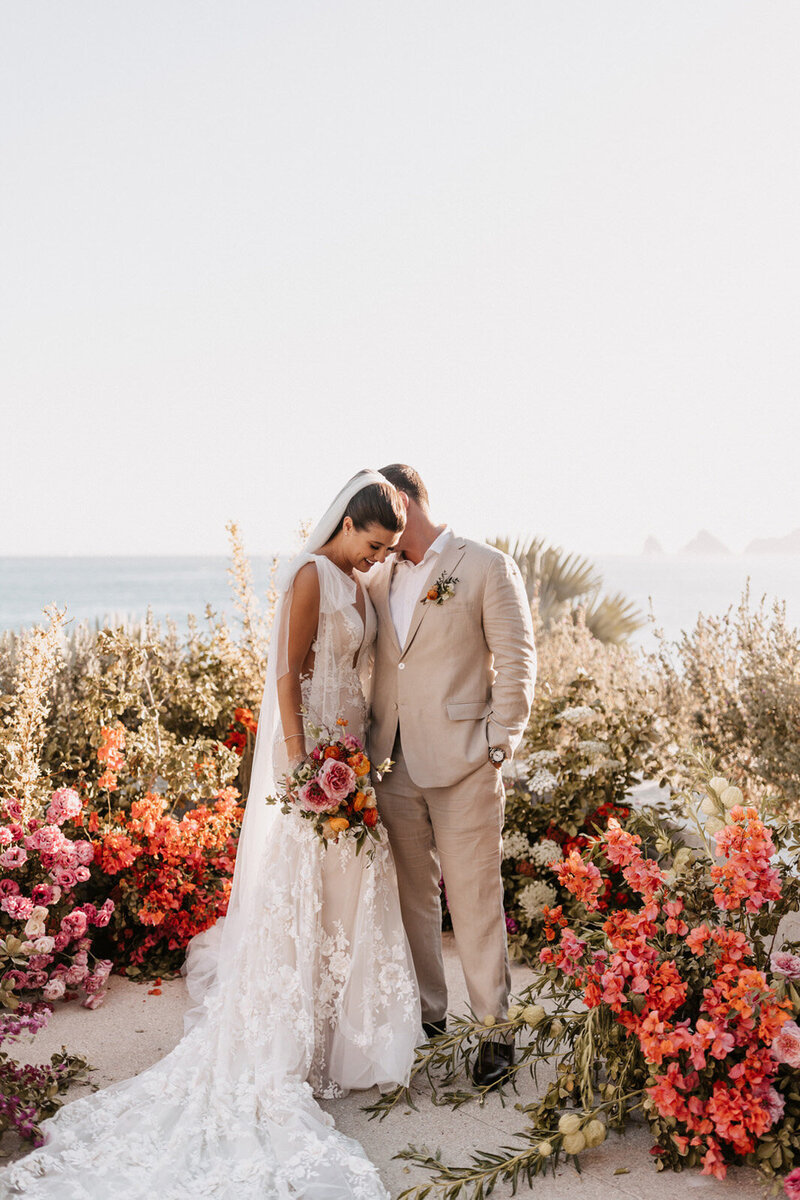
They also understand how to design within that setting, what works in the climate, what materials hold up, how to use the natural environment, and how to create something that feels connected to the location without feeling expected.
Your wedding planner becomes the central point of communication, which matters more than most couples expect when you are not physically present for every decision. A venue coordinator can and will communicate about all things venue-specific, which is an imperative, but not an all-encompassing role.
Without that cohesive planning layer, small gaps can form. Not always noticeable at first, but more apparent as plans evolve.
When Both Work Together
When both roles are in place, the experience feels noticeably different. The venue coordinator team ensures the space runs exactly as it should.

The planner ensures everything surrounding it is aligned, from vendors arriving prepared to timing staying on track to each transition feeling natural and well-paced, with the design unfolding exactly as envisioned.
There is a rhythm between the two, and when that relationship is clear, the entire event feels supported from every angle.

At the Heart of It
Your venue sets the stage. The venue coordinator ensures it runs beautifully.
Your wedding planner is looking at everything beyond that, how the day comes together, how each detail connects, and how the entire celebration feels from beginning to end.
Both roles matter. They simply serve different purposes.
And when that is clear from the start, you move through the process with clarity, confidence, and the ability to truly enjoy what you have spent so much time creating.
Happy Planning!




Pinterest
/
Share on
facebook