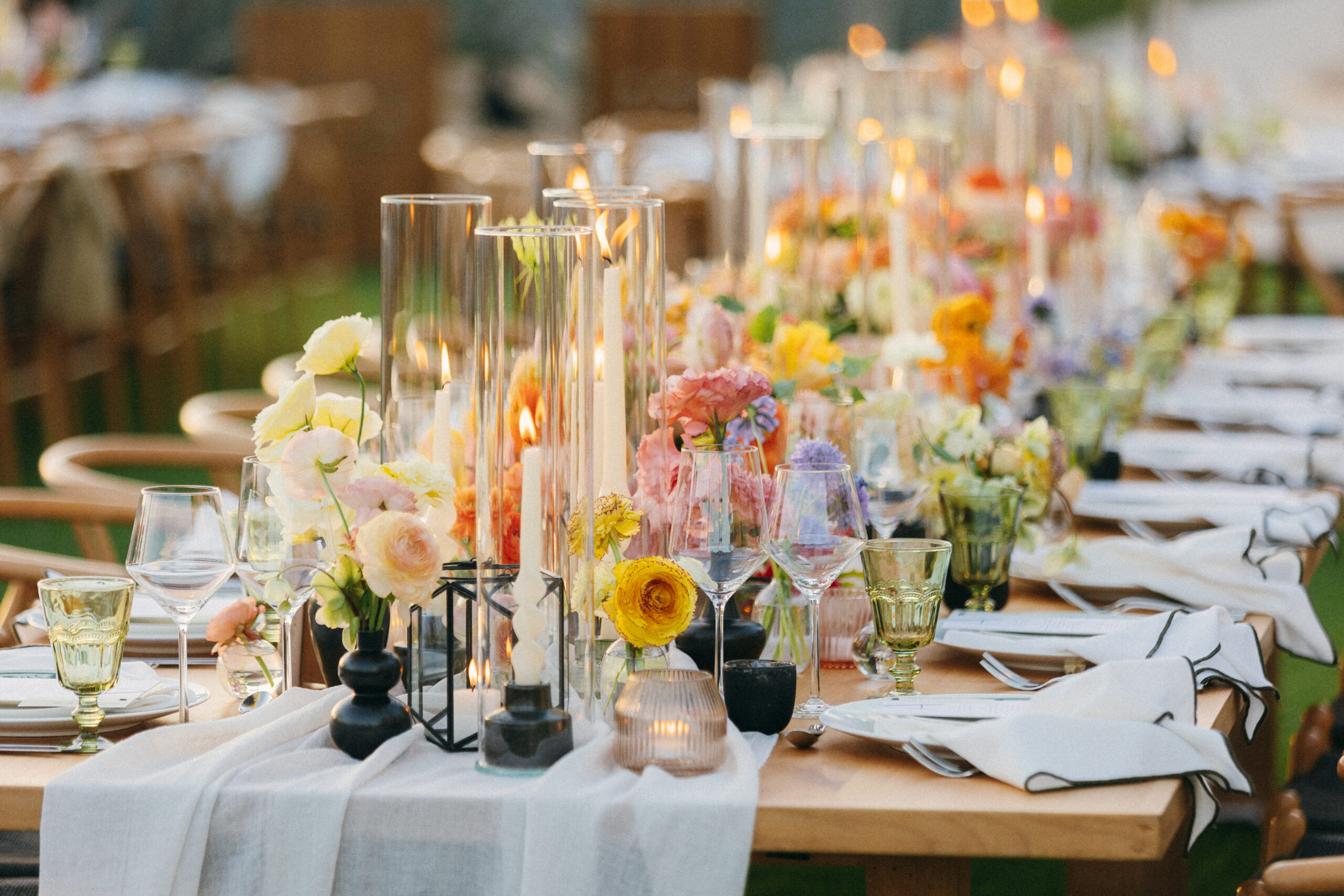
Of all the decisions couples make, the seating chart is the one that sneaks up on them. You expect drama with florals, attire, and budgets. You do not expect it from the act of placing people in chairs. Yet here we are.
Some envision a reception where every guest arrives to find their name effortlessly waiting for them. Others dream of a dinner that feels loose and social, where people drift toward the tables that feel right.

Both can feel elegant. Both can also create their own brand of chaos if you ignore the realities of your space, the size of your guest list, or the personalities that make up said list. In other words, this is not a one-size-fits-all moment. It’s a mood, a layout, a headcount, and a guest-behavior forecast all wrapped into a single decision in the form of a seating chart.

Assigned Order
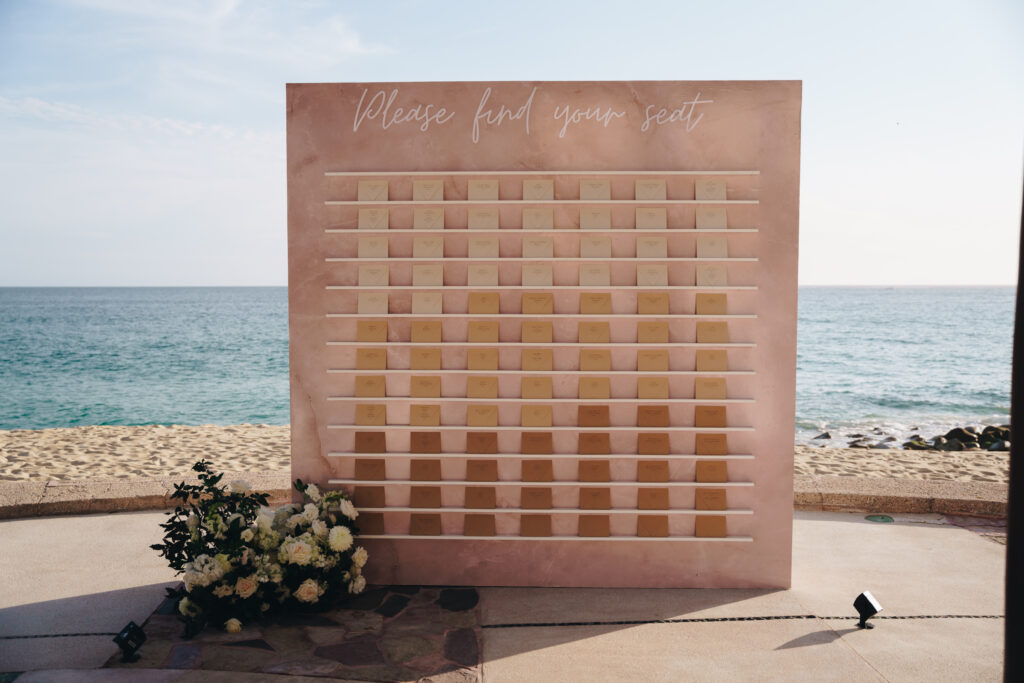
An assigned seating chart may sound formal, but what it really offers is peace — for you, for your planner, for the guest who hasn’t been to a wedding since 2014 and is already nervous about the dress code.
Guests walk into the room and instantly understand the plan. No hovering. No scanning. No quiet panic. The whole night feels more composed, especially in larger venues or intricate layouts that depend on the room filling in a certain way.

Catering breathes easier. Family dynamics stay neatly spaced. And the moment the lights dim for speeches, everyone you care about is exactly where they should be. The only catch? Making the seating chart is its own sport.
You will start moving names, then move more names, and then someone will text you with a relationship update that resets an entire table. Eventually, you’ll accept that one guest will ignore the chart completely. There is always one.

Open Freedom
Open seating sounds like the start of a very good dinner party. It’s breezy, modern, and especially lovely in venues that already encourage movement — courtyards, gardens, beachfront terraces, long communal tables lit by candles.
Your guests wander, find their people, and settle in. It feels natural, conversational, almost European.
But open seating, as opposed to a seating chart, behaves differently depending on your numbers and your layout.
A 40-person welcome dinner? Beautiful. A 180-person plated reception? Suddenly, it looks like a boarding process. Guests cluster. Entire tables fill at once. Someone inevitably ends up standing with a plate in hand, silently wishing you had assigned just a little structure.

Service teams adapt, but they move more slowly. Allergies take longer. The overall pacing of the night stretches if the venue isn’t designed for this kind of free-for-all.
In short, open seating can be chic, but it is not laissez-faire. It needs thoughtful spacing, enough chairs, and the right guest count to keep it intentional instead of chaotic.

In-Between Styles
Real weddings rarely fit neatly into binaries, which is why hybrid approaches exist. Not because they are “the answer,” but because they offer a comfortable middle ground for couples who want balance without rigidity.
A few options feel particularly elegant: Assigned tables with open chairs for clarity and ease of use.

Key placements only for family and wedding party, with everyone else choosing intuitively. Zones for long banquet layouts that benefit from gentle structure over strict rules. These formats let the room breathe while still guiding movement in ways that support service, photography, and the evening’s overall rhythm.
Space & Scale Decide The Seating Chart
Here is the part no one tells you early enough: your venue and your guest count will influence the success of any seating style more than the seating style itself.
You can love the idea of open seating, but if your ballroom has tight aisles and a plated menu, it won’t behave the way you imagine. You can love assigned seating, but if your celebration is 45 guests tucked into a palm-lined patio, the formality may feel unnecessary.
A few quiet truths shape how the night unfolds: Large guest counts crave clarity. Small guest counts thrive in freedom. Long tables behave differently from rounds. Outdoor layouts tolerate more movement than indoor ones.
The choice is less about rules and more about choosing what your space, your crowd, and your dinner can support gracefully.

Amy’s Hot Take
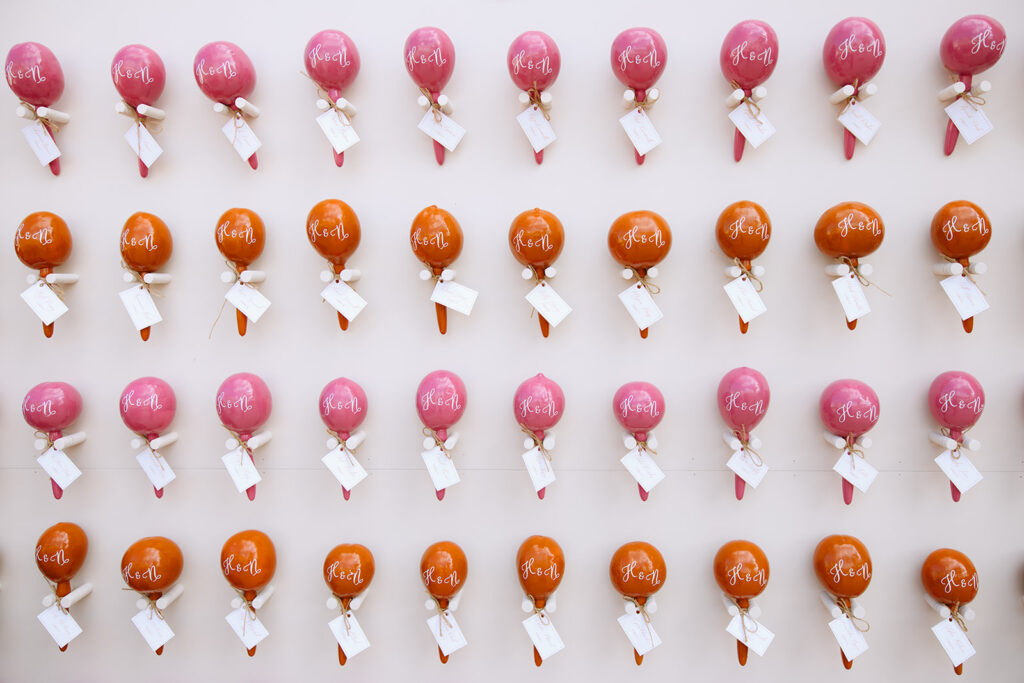
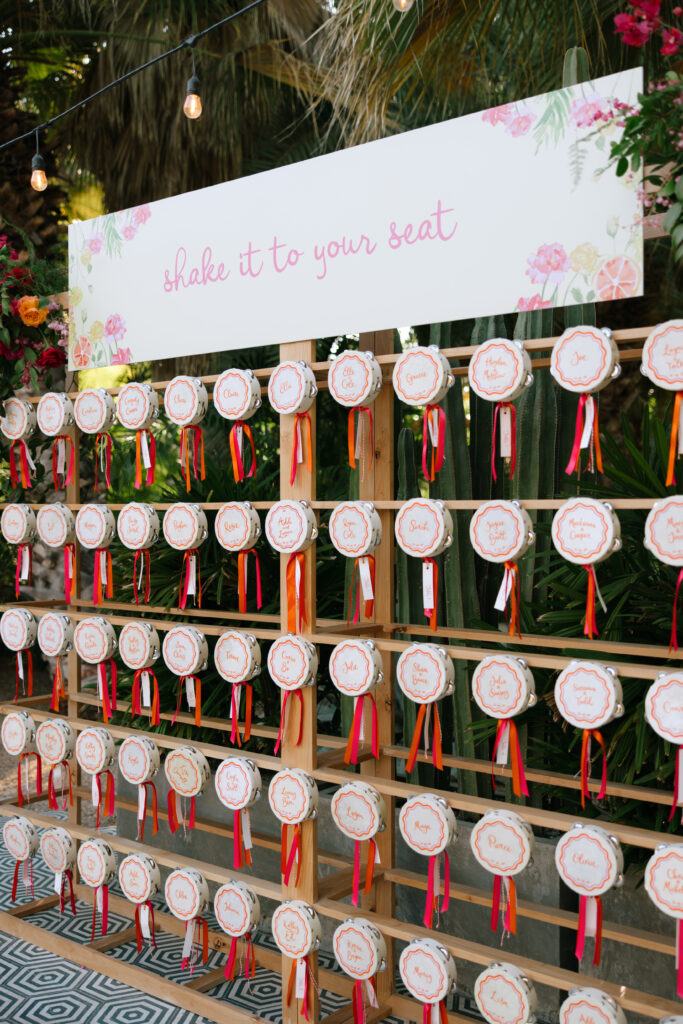
What guests want most is to feel considered. Whether that comes from a handwritten escort card, a beautifully placed table, or the freedom to choose the seat that feels right, the experience should mirror the tone of your celebration.
And if someone ignores the plan entirely — and someone pretty much always does — let it go. You’ve just earned your seating-chart story, and every couple gets one.
It’s part of the charm! ☺



Pinterest
/
Share on
facebook