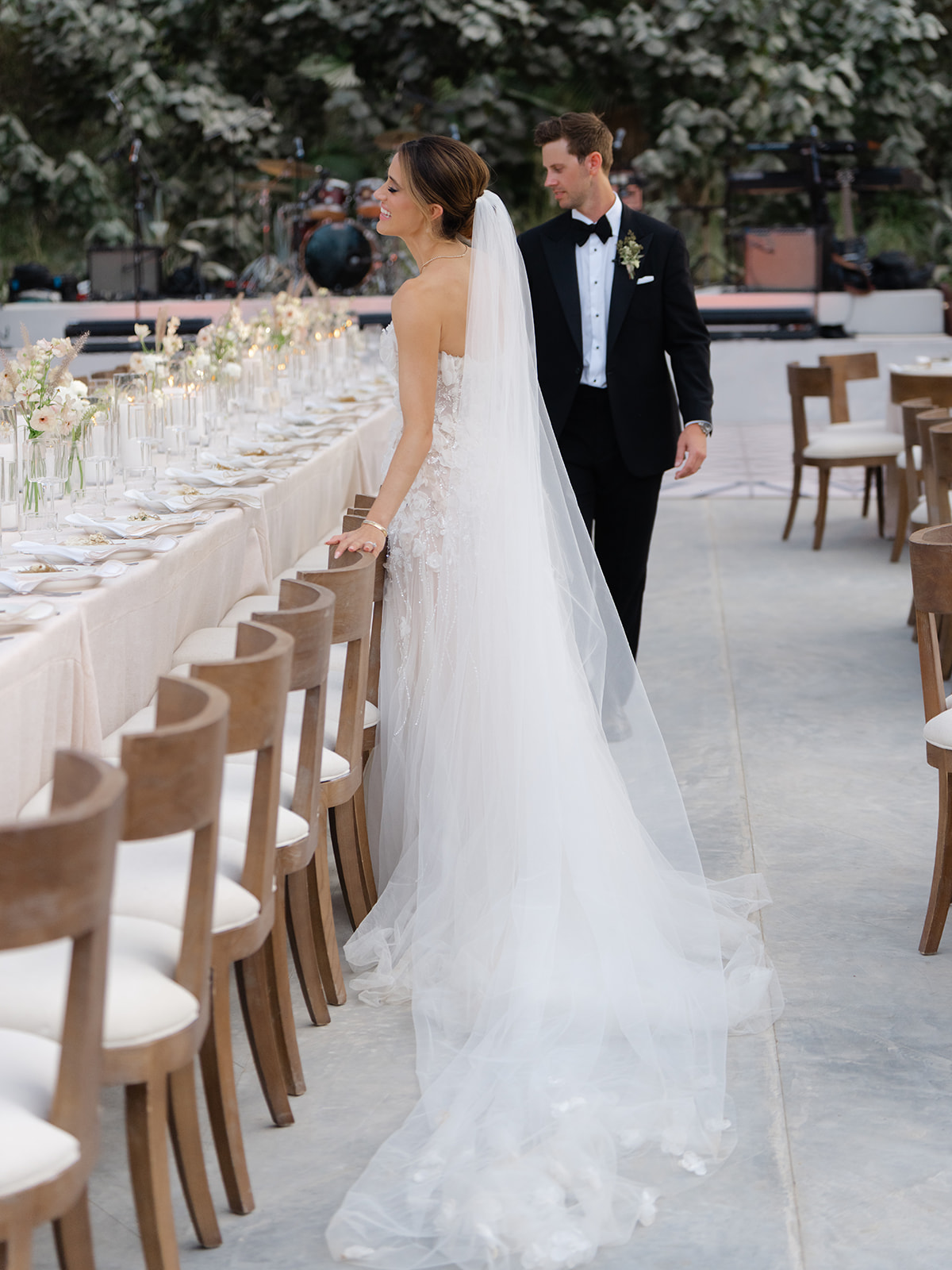
For some couples, the wedding menu is just another box to check. But for the foodie bride who plans her vacations around restaurant reservations and still talks about that one meal in Oaxaca, Mexico, three years later? The menu is part of the entire point.
As it should be!

Start With How You Actually Eat
Before you think about courses or presentation styles or whether a cheese course is too much (it’s never too much), start somewhere more personal. Think about the meals you return to. The restaurants you book without hesitation when you’re somewhere new. The dish you always order.
Some couples want a long, unhurried dinner that unfolds slowly, a wedding meal that feels like an occasion. Others want movement, variety, and a little energy. Neither is wrong. But knowing which one is you shapes everything that follows.
When you start there, the menu becomes a reflection of how you actually host, not a performance of what a wedding is supposed to look like.
Let the Location Do Some of the Work
A destination wedding should feel like it belongs where it is. The wedding menu is one of the most beautiful ways to make that happen.
In Los Cabos, there is so much to work with. Fresh seafood pulled from the Pacific, regional produce, and ingredients that thrive in that climate. A stunning menu here isn’t about flying in something that sounds luxurious. It’s about choosing what is genuinely best there.
In Tuscany, the approach shifts. Handmade pastas, local olive oils pressed nearby, wines from just down the hill. The land practically writes the menu for you.
The goal is never to recreate something from somewhere else. It’s to lean into what each place does brilliantly and build from there. Guests taste that difference, even if they can’t name it.
Seasonal Food Hits Differently
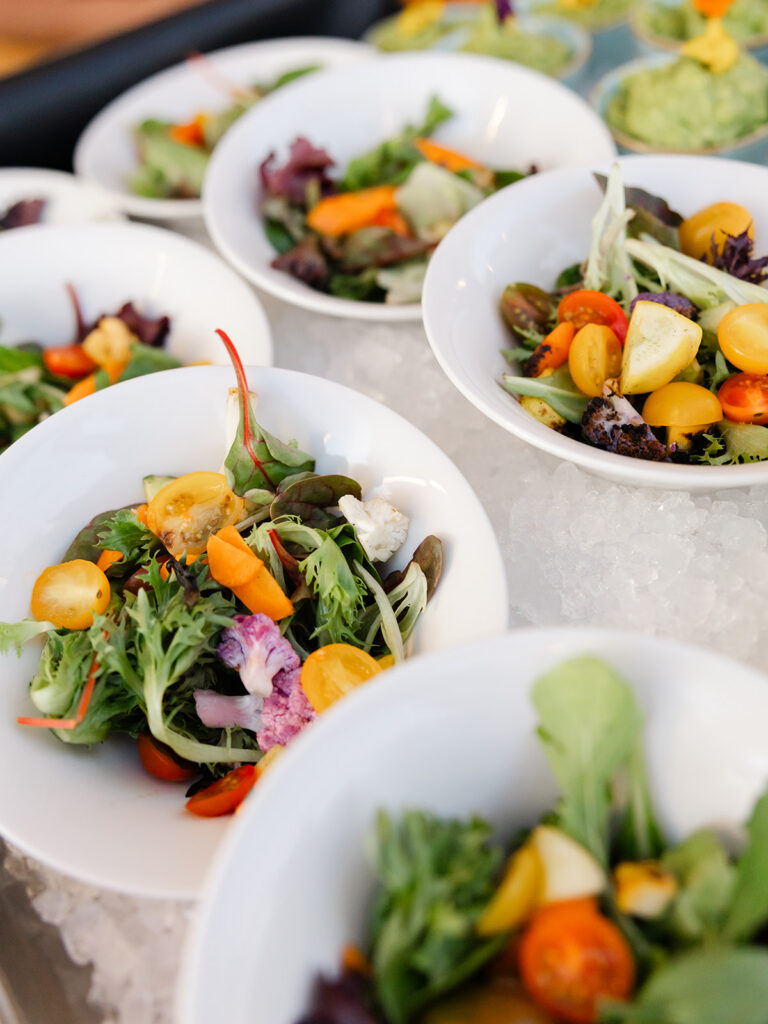
There’s a reason every great chef says this. Ingredients at their peak simply taste better — they’re more vibrant, more alive, and they require far less fuss to shine. A dish can be elegant without being complicated when seasonal ingredients are at play. Flavors speak for themselves. The menu feels effortless rather than overwrought.

You don’t need every ingredient to be hyper-local, but the overall approach should respect the season you’re in. It is one of the easiest ways to ensure the food feels right, without overthinking a single thing.
The Best Wedding Menus Are Edited
More is not more. Not here.
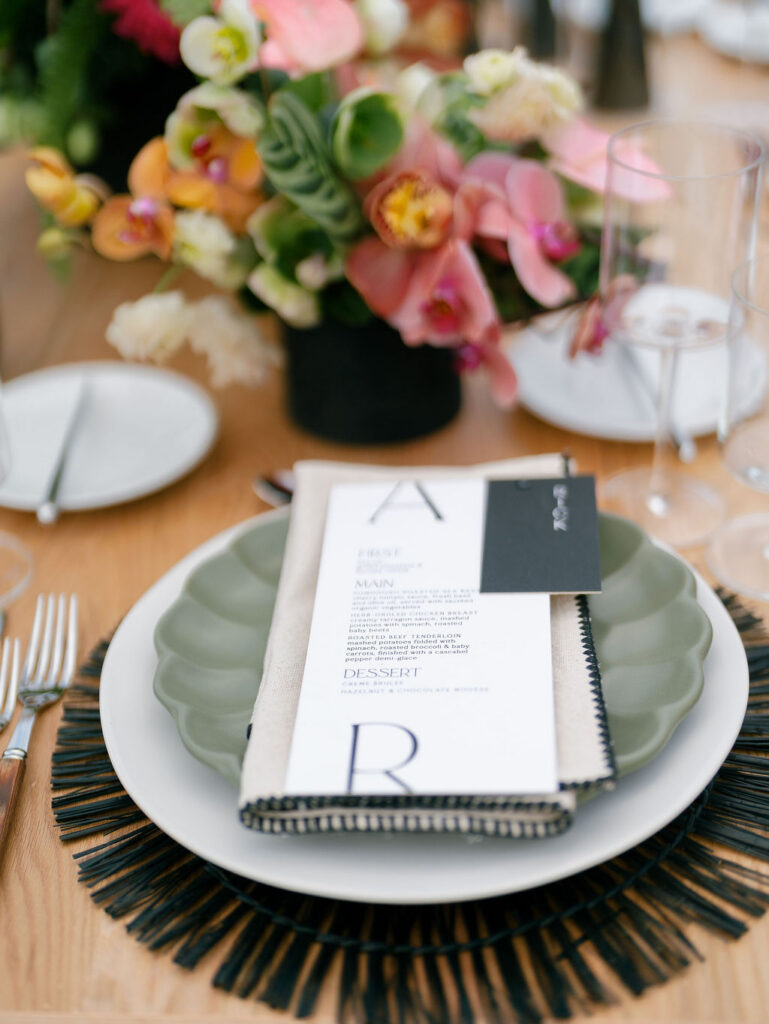
The wedding menus that guests still talk about months later are not the ones that tried to do everything. They’re the ones with one or two genuinely memorable moments, surrounded by dishes that were simply well-made and enjoyable to eat. Restraint is its own kind of luxury.
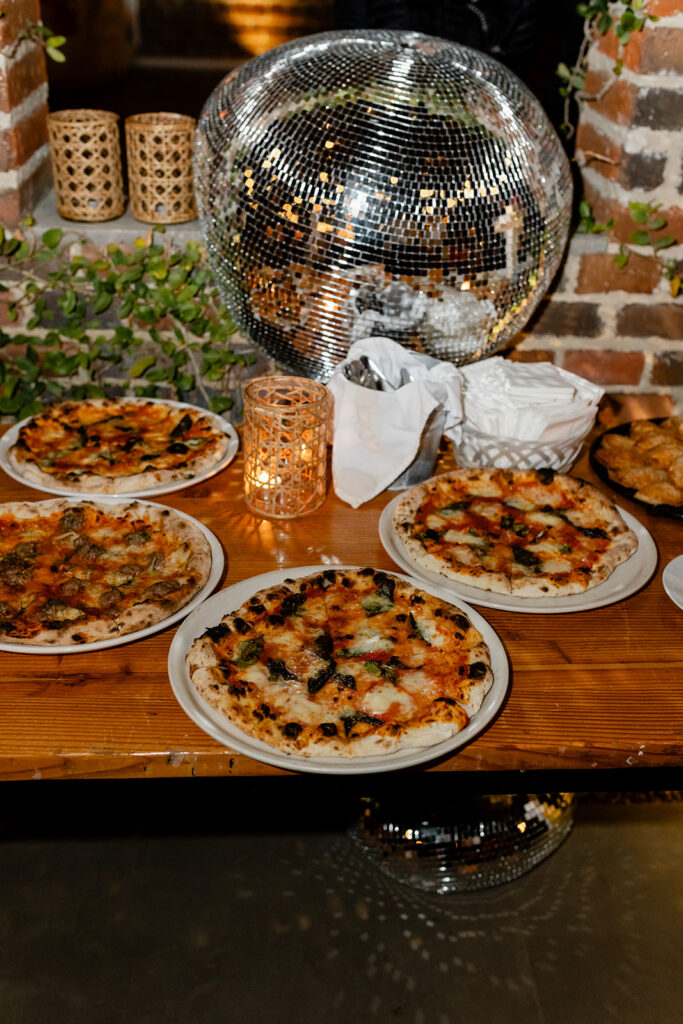
This matters even more at a wedding, where the meal is part of a longer, beautiful evening. You want guests satisfied and present, not slowed down and overstuffed before the first dance.
Service Style Sets the Whole Tone
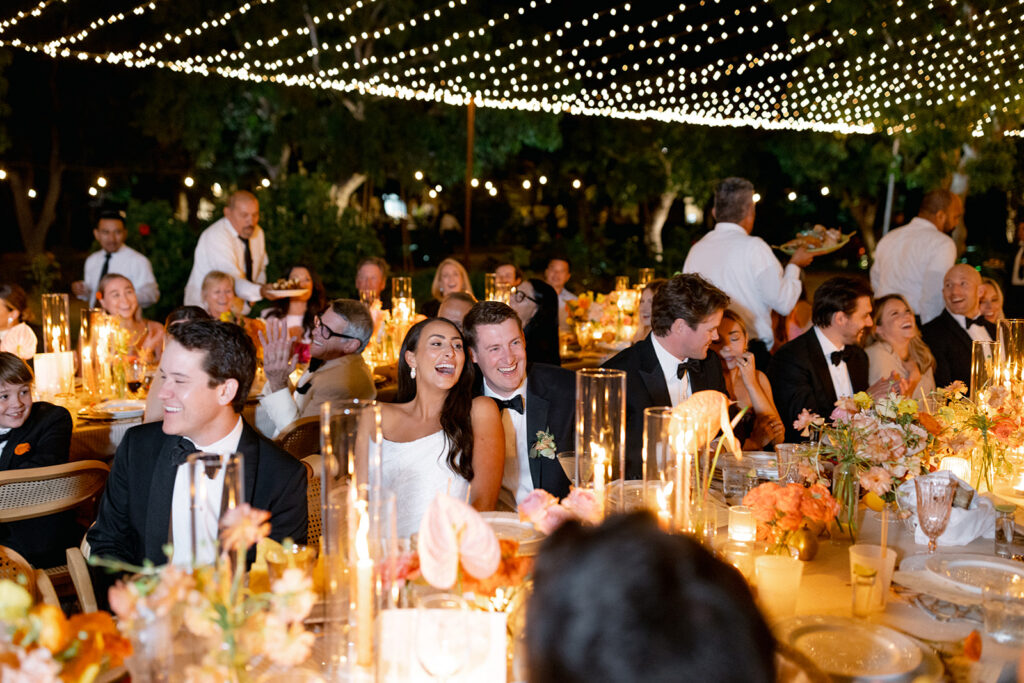
How the food arrives matters just as much as what it is. For intimate gatherings, a plated dinner feels personal and paced. Courses can come slowly, the evening can breathe, and the whole thing takes on a more elegant rhythm.
As the guest count climbs, the approach has to evolve with it. A plated dinner for 150 guests is a very different production than one for 300. Kitchen capacity, staffing, timing, all of it comes into play. Wedding menus that work beautifully at scale are designed with execution as a priority. Dishes need to hold, plate quickly, and arrive with every single guest at the right temperature.
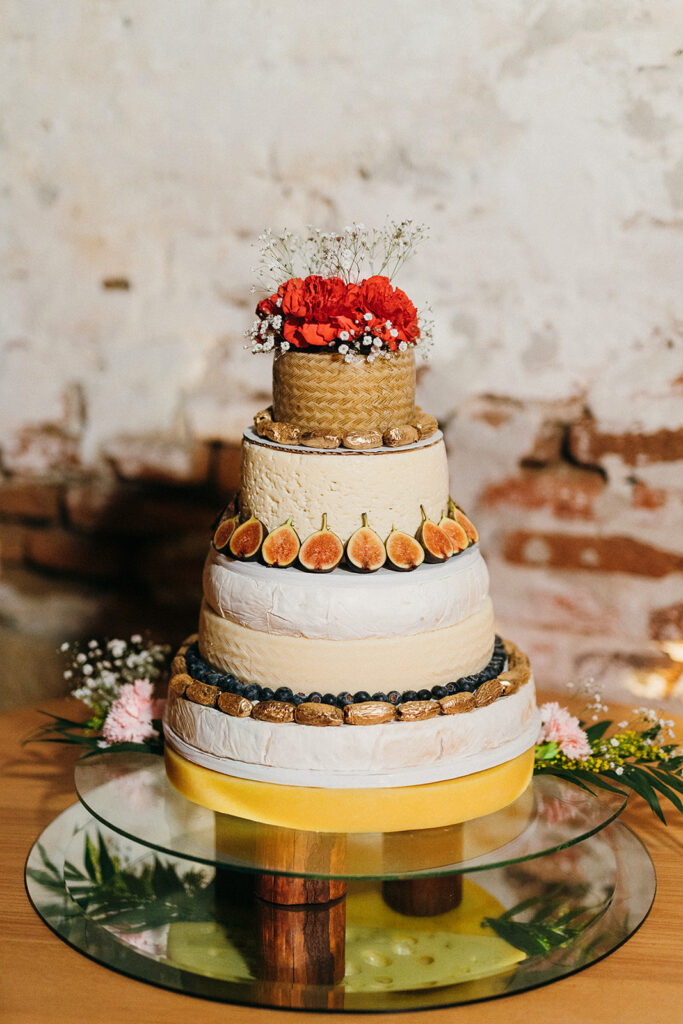
This is where simplicity becomes a feature, not a compromise. A dish that’s delivered perfectly across the room is always more elevated than something technically ambitious that loses its magic by table 14.
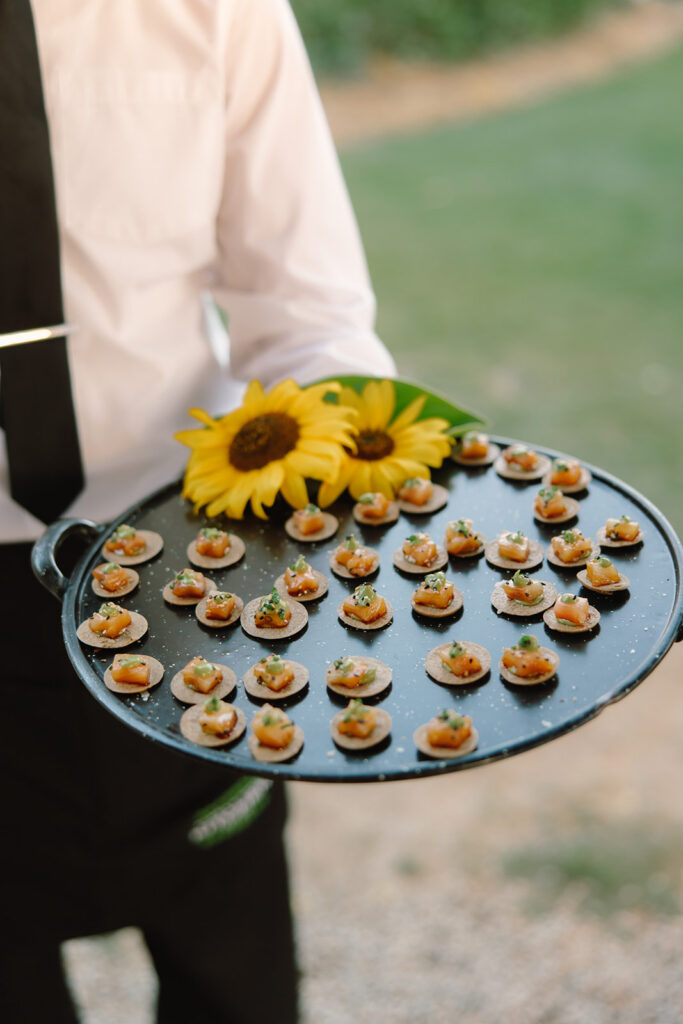
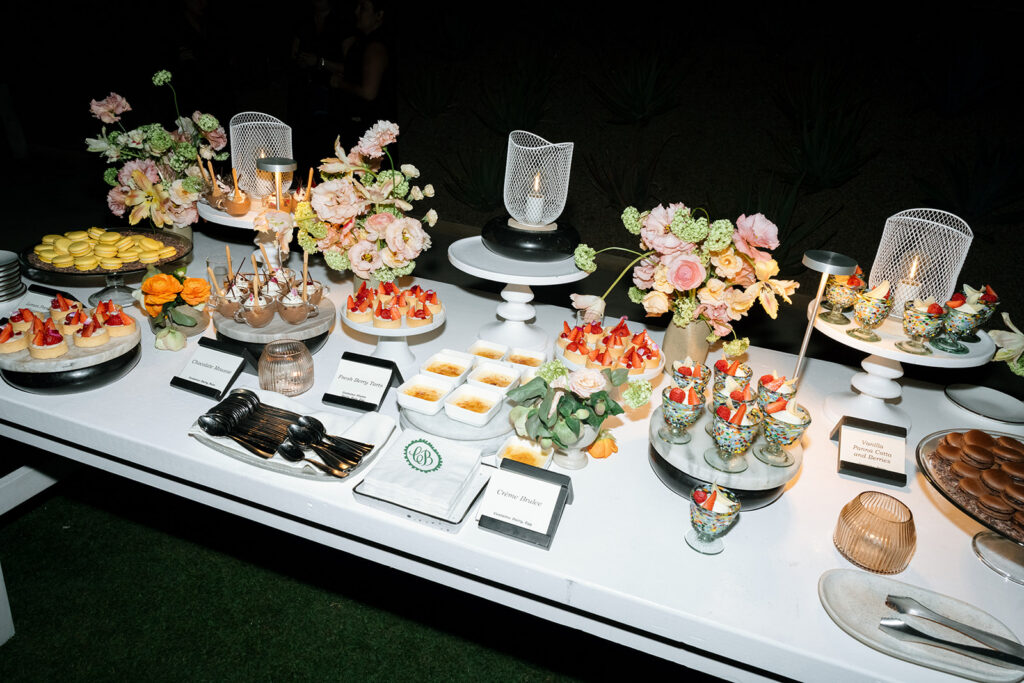
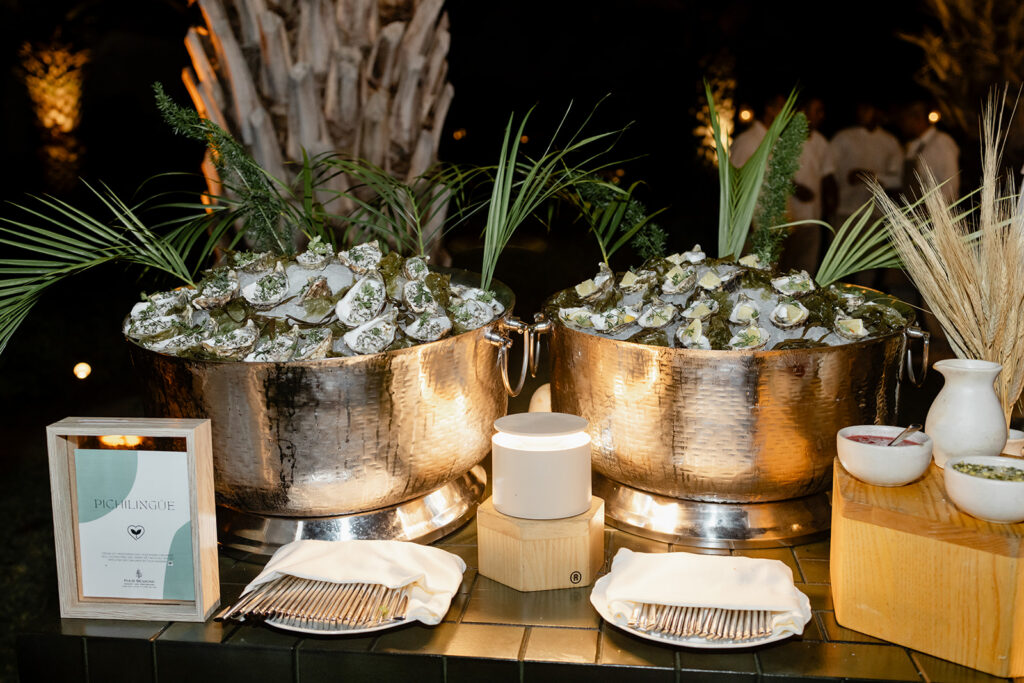
For larger celebrations, it’s also worth considering family-style service, which creates something wonderfully social, or well-designed stations that give guests a reason to move and explore. When service format, menu, and guest count are all speaking the same language, the evening flows without anyone noticing how much is happening behind the scenes.
The Personal Touches That Actually Land
Personalization done well is subtle. It doesn’t announce itself. It just feels like you.
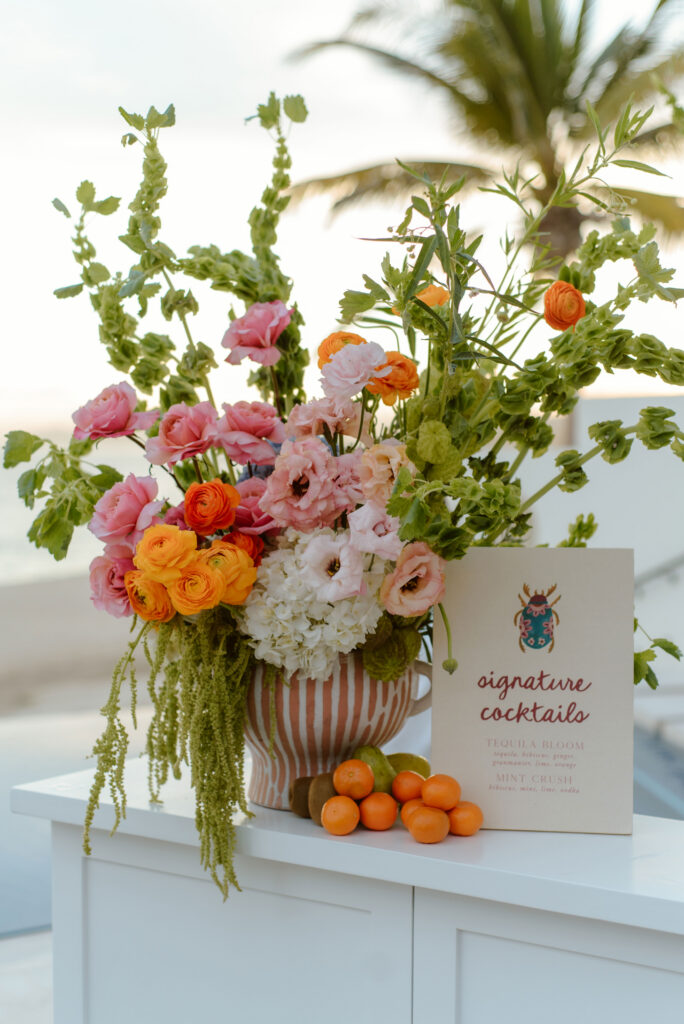
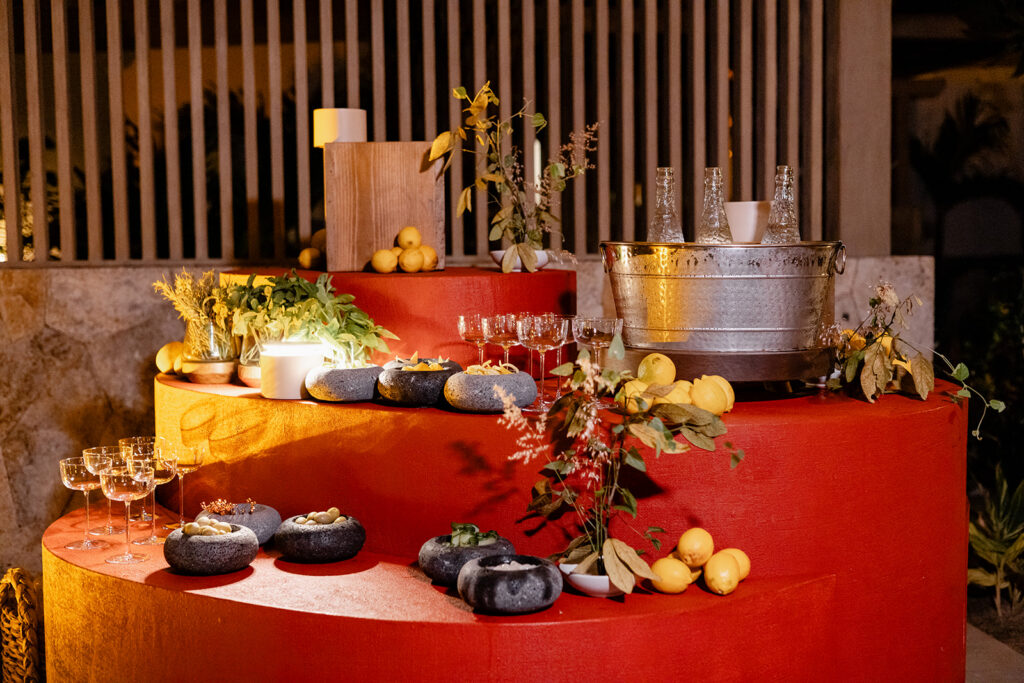
Signature cocktails are an easy place to start, not labeled drinks, but the actual cocktail you order. A classic you love, a variation you discovered somewhere meaningful, a nod to a place that matters. Guests notice when something feels specific rather than generic.
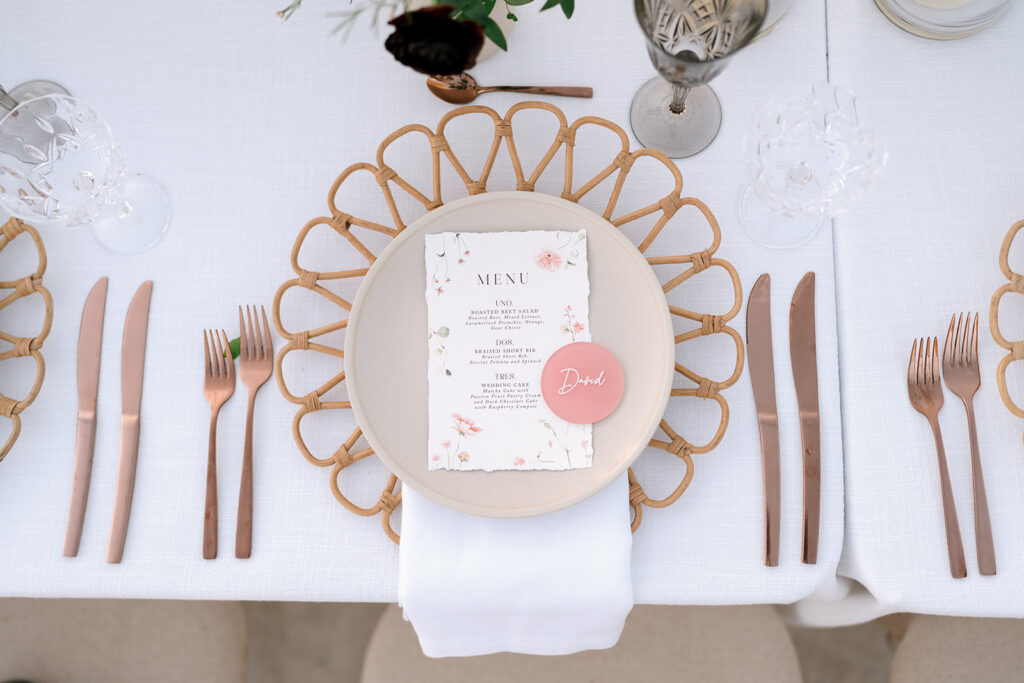
The same goes for the menu itself. A dish inspired by a trip you took together. A late-night favorite elevated for the occasion. A family recipe woven in quietly. When these details are integrated naturally rather than explained on a printed card, they create a feeling guests can’t quite place.
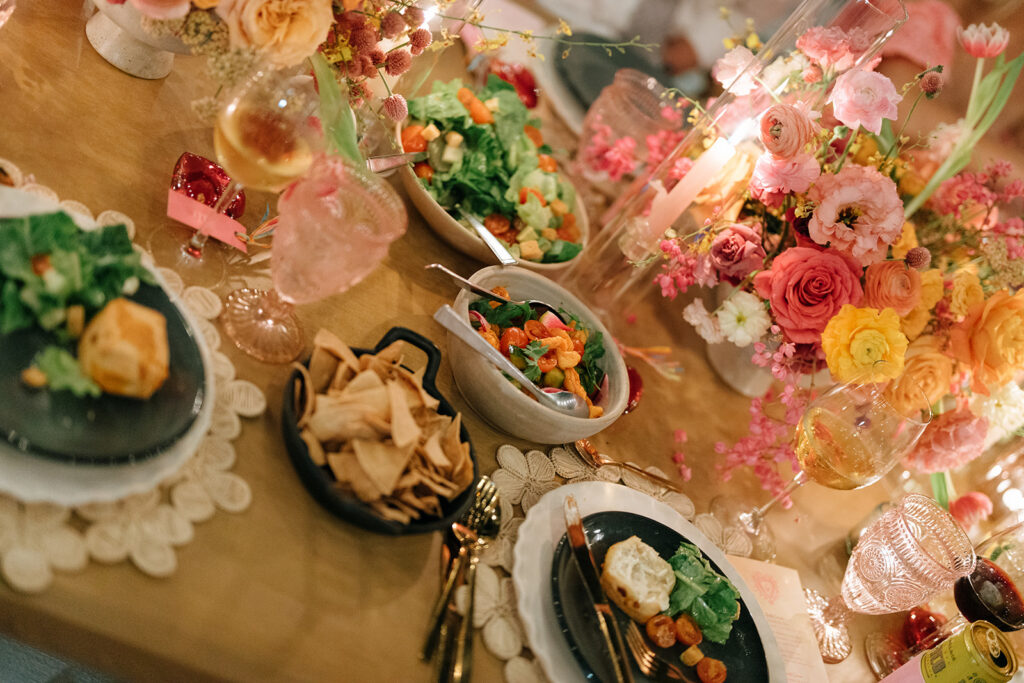
Even the smaller moments add up. How bread arrives, what’s offered at the end of the night, and the way the table is reset between courses. The wedding meal is made of details, and the best ones are the ones that feel personal.
What Guests Will Actually Remember
They may not recall every course. But they will remember how the meal felt.
They’ll remember if the food arrived hot. If the pacing felt right. If there was a moment that genuinely surprised them. If the evening moved with ease.
Most of the time, it isn’t the most elaborate dish that stays with them. It’s the one that was executed beautifully, at exactly the right moment.
Bringing It All Together
A wedding menu doesn’t need to be ambitious to be unforgettable. It needs to make sense, for you, for the place, for the people you’ve gathered.
When the food reflects the location, respects the season, and feels like an extension of how you genuinely host, it stops being a separate element of the wedding. It becomes part of the experience itself.
That’s exactly where it belongs.




Pinterest
/
Share on
facebook